





When a car accident involves a drunk driver, most people assume that the intoxicated driver is automatically at fault. While driving under the influence (DUI) is illegal and dangerous, fault in a car accident is not always straightforward. In some cases, other factors may contribute to the crash, and liability may be shared between multiple parties.
If you have been injured in a DUI accident, understanding how fault is determined can help you pursue the compensation you deserve. This blog will explain how liability works in DUI accidents and when a drunk driver may not be fully responsible.
How Is Fault Determined in a DUI Accident?
In any car accident case, fault is based on negligence. In Tennessee, a driver is considered negligent if they fail to exercise reasonable care on the road. While driving under the influence is a serious offense, it does not automatically mean that the drunk driver caused the crash.
To establish fault in a DUI accident, investigators examine several key factors, including:
- Police Reports: Law enforcement officers at the scene document critical details, such as field sobriety tests, breathalyzer results, and statements from drivers and witnesses.
- Traffic Violations: Running a red light, speeding, or failing to yield can contribute to an accident. If the sober driver committed a traffic violation, they might share some responsibility.
- Eyewitness Testimony: Bystanders or passengers may provide accounts of reckless driving or sudden maneuvers before the crash.
- Surveillance or Dashcam Footage: Video evidence can help clarify the actions of each driver leading up to the accident.
- Accident Reconstruction: Experts analyze vehicle damage, skid marks, and road conditions to determine how the collision occurred.
When Is the Drunk Driver Fully at Fault?
In most DUI accidents, the intoxicated driver is held fully responsible for the crash. Some situations where they are clearly at fault include:
1. Rear-End Collisions
If a drunk driver crashes into the back of another vehicle, they are almost always considered at fault. Tennessee law presumes that the rear driver in a rear-end collision is responsible unless evidence proves otherwise.
2. Wrong-Way or Head-On Collisions
A drunk driver who enters a highway in the wrong direction or drifts into oncoming traffic will typically be held entirely responsible for the accident.
3. Running a Red Light or Stop Sign
Failing to stop at a traffic signal due to impaired judgment or delayed reaction time is a clear case of negligence.
4. Excessive Speeding or Reckless Driving
Drunk drivers often engage in risky behaviors, such as driving at high speeds or swerving between lanes. If their reckless actions lead to a crash, they will likely bear full liability.
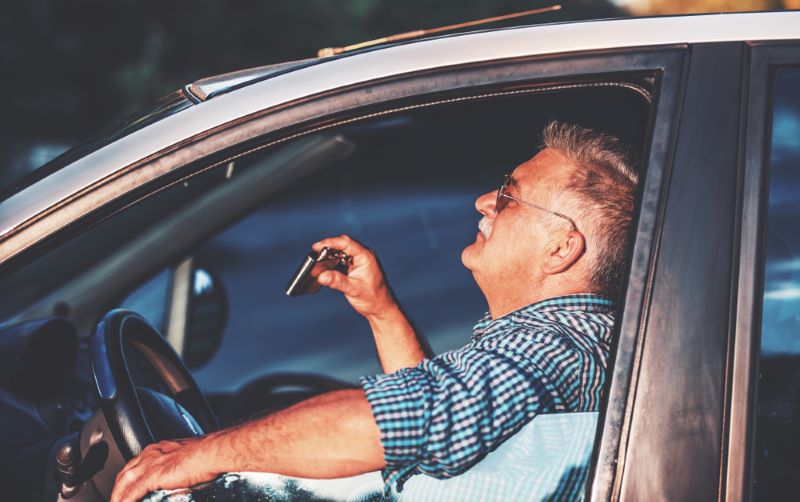
When Might the Drunk Driver Not Be Fully Responsible?
Although drunk driving is a criminal offense, there are some situations where the intoxicated driver may not be entirely at fault. Tennessee follows a modified comparative negligence rule, which means that if multiple parties are responsible for a crash, liability is divided accordingly.
Here are some examples where the drunk driver might not be fully responsible:
1. The Other Driver Violated Traffic Laws
If the sober driver ran a red light, failed to yield, or made an illegal turn, they could share responsibility for the accident. Even if the other driver was intoxicated, their impairment might not have been the primary cause of the crash.
2. Sudden and Unpredictable Actions
In some cases, the sober driver’s actions may have directly contributed to the accident. For example, if a driver suddenly swerves into another lane without signaling, causing a drunk driver to crash into them, fault may be split between both drivers.
3. Mechanical Failures or Road Hazards
Sometimes, external factors such as brake failures, tire blowouts, or poorly maintained roads contribute to an accident. If an investigation reveals that the crash was caused by these factors, the drunk driver may not be fully liable.
4. The Other Driver Was Also Under the Influence
In rare cases, both drivers involved in an accident may be intoxicated. If two impaired drivers cause a collision, fault will be determined based on the circumstances of the crash rather than the fact that one or both were drinking.
In Tennessee, accident victims can still recover compensation even if they are partially responsible for a crash—as long as they are less than 50% at fault. However, their compensation will be reduced based on their percentage of responsibility.
For example:
- If you are awarded $100,000 in damages but are found to be 20% at fault, your compensation will be reduced to $80,000.
- If you are found to be 50% or more at fault, you are not eligible to recover damages.
This rule makes it critical to gather strong evidence and work with an attorney to minimize any claims of shared responsibility.
Can Other Parties Be Held Liable for a DUI Accident?
In some cases, parties other than the drunk driver may be held accountable for the accident. This is known as third-party liability and can apply in situations such as:
1. Bar or Restaurant Liability (Dram Shop Laws)
Under Tennessee’s dram shop laws, businesses that serve alcohol to visibly intoxicated individuals may be held responsible if that person causes an accident.
2. Employer Liability
If the drunk driver was on the job at the time of the accident (such as a delivery driver or company employee), their employer may also be held liable.
3. Vehicle Owners
If the at-fault driver was operating someone else’s vehicle and the owner knowingly allowed them to drive while impaired, the vehicle owner could be partially responsible.
What Should You Do After a DUI Accident?
If you were injured in a DUI accident, taking the right steps can protect your rights and strengthen your case:
- Call 911: A police report is crucial for documenting the drunk driver’s impairment.
- Gather Evidence: Take photos of the accident scene, vehicle damage, and any visible injuries.
- Seek Medical Attention: Even if you feel fine, some injuries may not appear right away.
- Do Not Admit Fault: Avoid making statements that could be used against you later.
- Contact an Attorney: A lawyer can help you determine fault and fight for the compensation you deserve.
Contact Tennessee DUI Accident Lawyer Craig Glenn Today
Being injured in a DUI accident can leave you with medical bills, lost wages, and emotional trauma. Even if the drunk driver is not fully at fault, you may still have a case. Our experienced legal team can help investigate the accident, gather evidence, and fight for the compensation you deserve.
Contact us today for a free consultation.